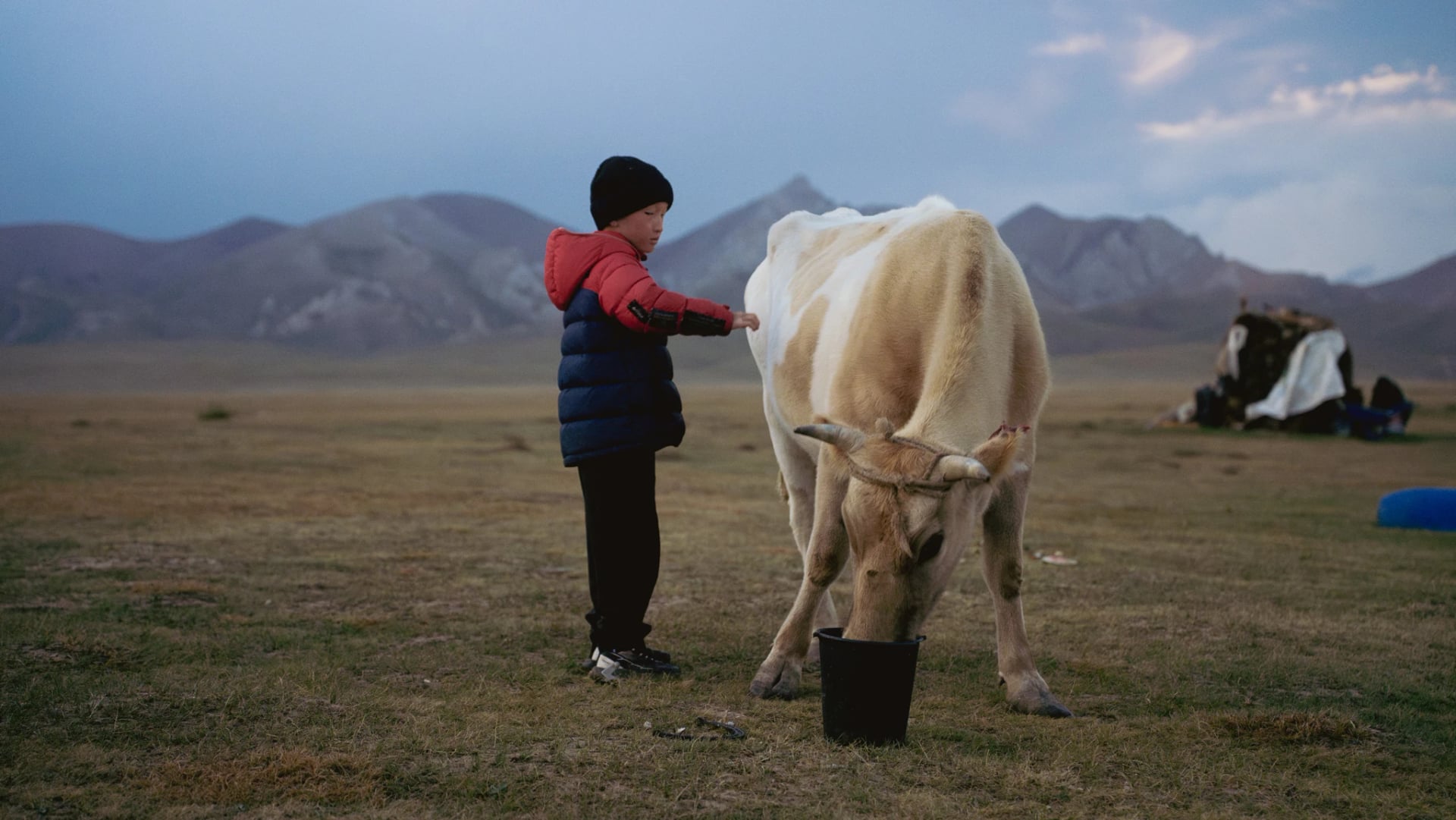

Song-Kul is the image many people carry into Kyrgyzstan: open grassland, horses crossing the horizon, cold air after sunset and yurts scattered around a lake that feels far from everything. The scene can be extraordinary, but the stay itself is simple.
We stayed here in August 2025. This guide is built around that first-hand night: what felt comfortable, what required preparation and why Song-Kul worked only when we stopped treating it as another point on the route.
Expectation check: Camps, facilities and booking methods vary, and most operate seasonally. Confirm that your chosen camp is open and ask what it currently provides. The details below describe our experience and the practical questions worth asking, not a universal camp standard.
What a Song-Kul stay actually feels like
The value of Song-Kul is not a long activity list. It is the shift in pace: arriving across the plateau, drinking tea, watching animals move through the grass and seeing the light change without needing to be anywhere else.
That also means the place disappoints when it is reduced to a quick viewpoint. Plan an overnight stay and arrive with enough daylight to settle in, locate the toilet and dining yurt, and walk without rushing. Evening and early morning gave us the moments that made the drive feel worthwhile.
When camps are easiest to plan around
Most camps are seasonal. During the main summer window, particularly July and August, local drivers and guesthouses are more likely to know which families are receiving visitors. Outside that period, availability can change quickly.
Do not treat an old listing or social post as proof that a camp is open on your dates. Confirm the opening period, how the last part of the transfer works and whether dinner and breakfast are included. If you care about one specific camp, do not leave that confirmation until the final hour.
Comfort, facilities and the cold
Our comfort level was basic: a mattress inside the yurt, shared facilities, limited charging and no internet we could depend on. That simplicity felt right for the place, but only because we had packed for it.
Nights can feel cold even during the summer window. Keep a warm layer, socks and sleepwear inside your overnight bag rather than in luggage you may not want to reopen after dark. Earplugs help because yurts do not isolate sound, and a headlamp makes the walk outside much easier.
D2-3
Song-Kul
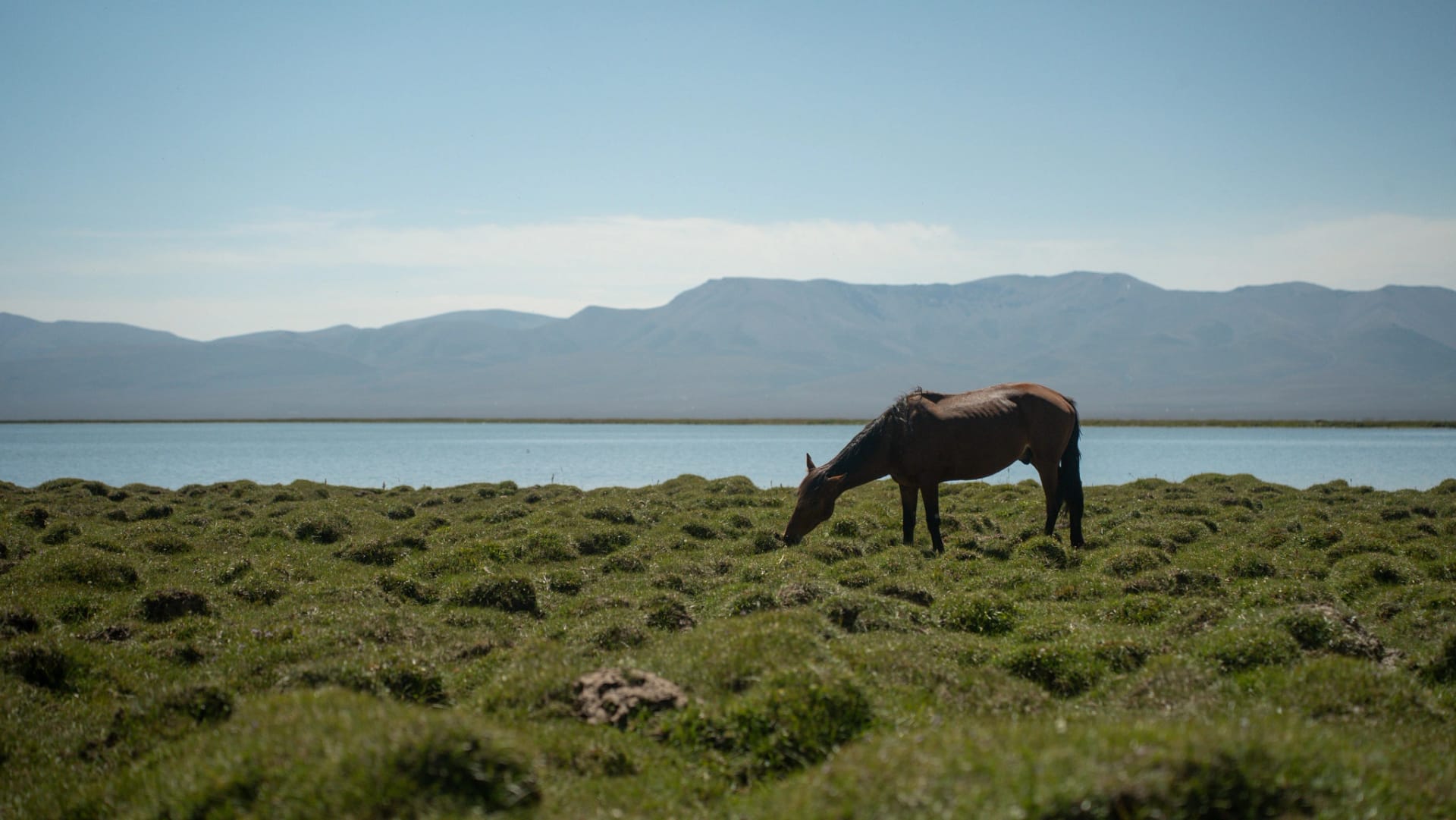
Once the driving stopped, the scale became the experience: open water, grazing animals and a horizon with almost nothing asking for our attention.
Food and dietary expectations
Food at our stay was simple, warm and filling: the kind of meal designed for an isolated camp rather than a restaurant menu. Across the route that often meant some combination of bread, tea, soup, potatoes, rice, meat, jam, cream or eggs.
If you have dietary requirements, communicate them before arrival and carry backup snacks. Bring your own instant coffee if that small ritual matters to you. Remote hospitality works better when both sides know what is possible before dinner, not when expectations appear at the table.
Expectations
- •No menu or broad choice of dishes.
- •Shared rather than private facilities at many simple camps.
- •Limited opportunities to charge devices.
- •Little or no reliable phone signal.
- •A warmer welcome than the facilities alone might suggest.
Horse riding without overdoing it
Horse riding is commonly arranged around the lake and can work for beginners, but confidence matters more than bravado. Tell the handler honestly how much experience you have and whether you feel nervous. The horse knows the terrain; you are the unknown variable.
A short ride you can enjoy is better than a long one spent trying to control fear. Ask how long the route takes, what terrain it covers and how closely the handler stays with you before setting off.


Booking and the arrival rhythm
Booking can be informal. Some travellers arrange a camp through their driver or a guesthouse; others make contact by message. The method matters less than confirming the essentials:
- Is the camp definitely operating on your date?
- What meals and bedding are included?
- Are toilets and washing facilities shared?
- Can devices be charged, and if so, when?
- Who handles the final drive to the camp?
- How should dietary or accessibility needs be communicated?
Try to arrive before dark. It is easier to understand the layout, meet the family and let the place slow you down when the first hour is not spent searching for facilities by torchlight.
Pack one small overnight bag
Dragging a full suitcase across uneven ground adds nothing to the experience. Keep one small bag ready with the items you will actually use:
- Warm layer, socks and sleepwear.
- Headlamp and charged power bank.
- Medication and basic toiletries.
- Water and personal snacks.
- Earplugs and anything essential for a comfortable night.
If the main luggage stays in the vehicle, you still have everything you need after sunset. A power bank was more useful here than another camera accessory.
The stay is better when you do less
Walk, drink tea, watch the light, ride if it feels right, then stop. Song-Kul rewards a route with breathing room. In our journey it appeared early enough to change how the following days felt; that rhythm is captured in Days 2–3 of the Kyrgyzstan Field Notes.
Before adding the stay to your planner, check the best time to visit Kyrgyzstan and keep the practical plan modest: one confirmed camp, warm clothing, an honest comfort expectation and enough time for the lake to feel like a place rather than a checkpoint.
From my photography collection
Photos from: Song-Kol

